
Beyond the 24-Hour Stay: The Real Innovation in Hospitality Flexibility
Le Méridien Phuket offers 25 hours. Wink Hotels offers 24. The difference is one hour. But the real gap is much wider. While luxury operators add spinning wheels and unlimited popsicles, a Vietnamese midscale chain has built its entire brand identity around genuine flexibility, and just secured a Hyatt partnership that doubled its footprint overnight. The question every luxury hotel should ask: If a $50-60 brand can win on guest-centric thinking, what should we be delivering? Our latest brief explores what comes after the 25-hour stay.
INSIGHTS
BDP+Partners
3/12/20266 min read
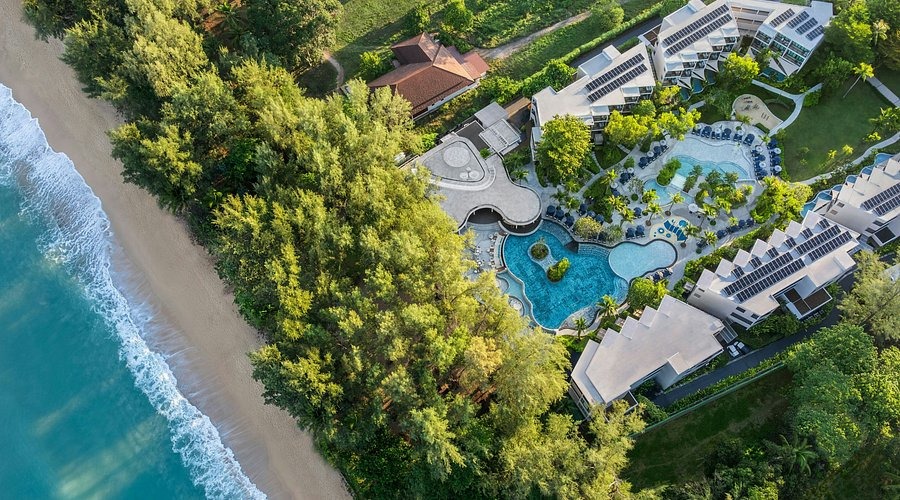
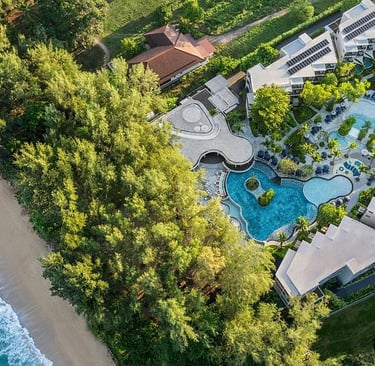
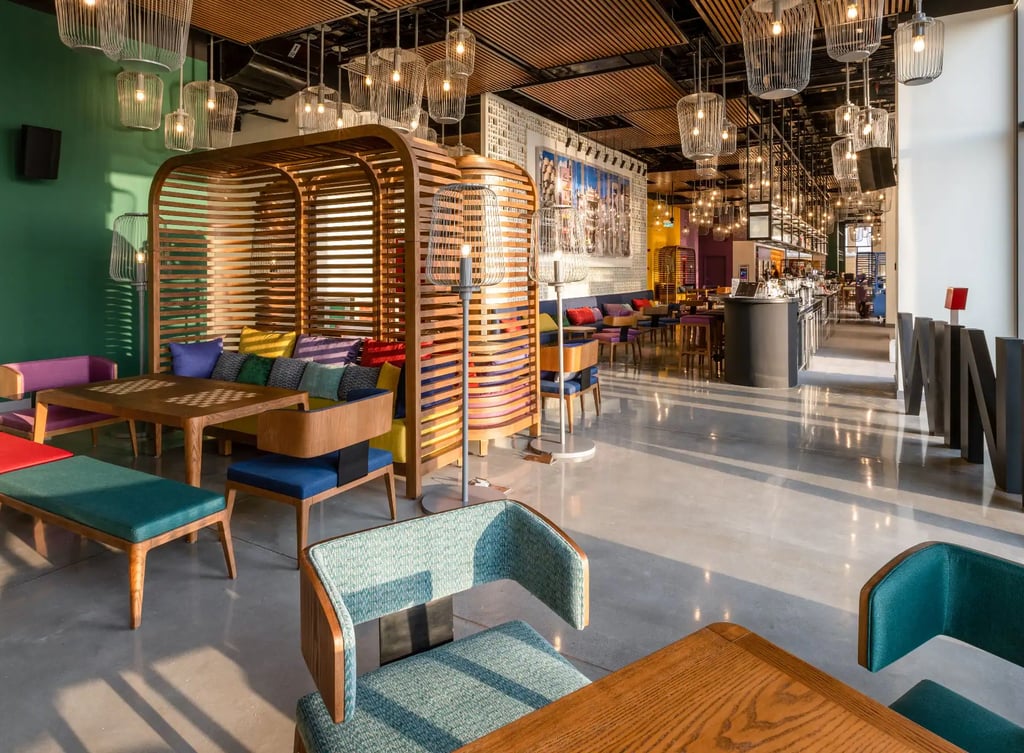
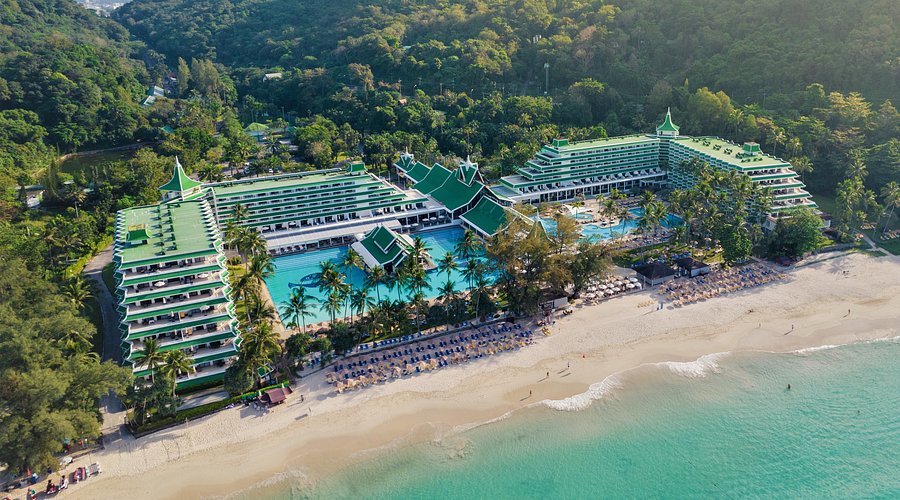
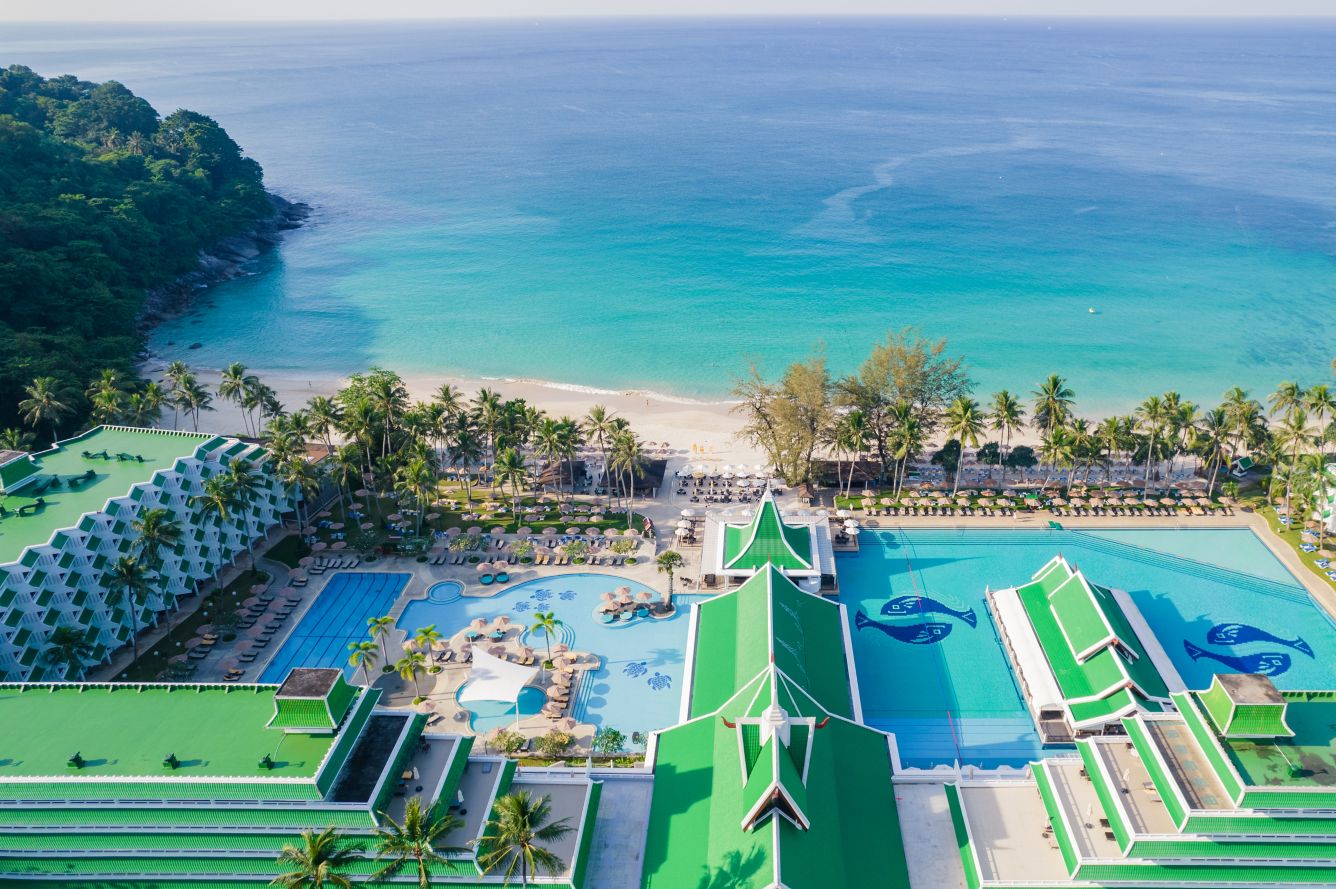
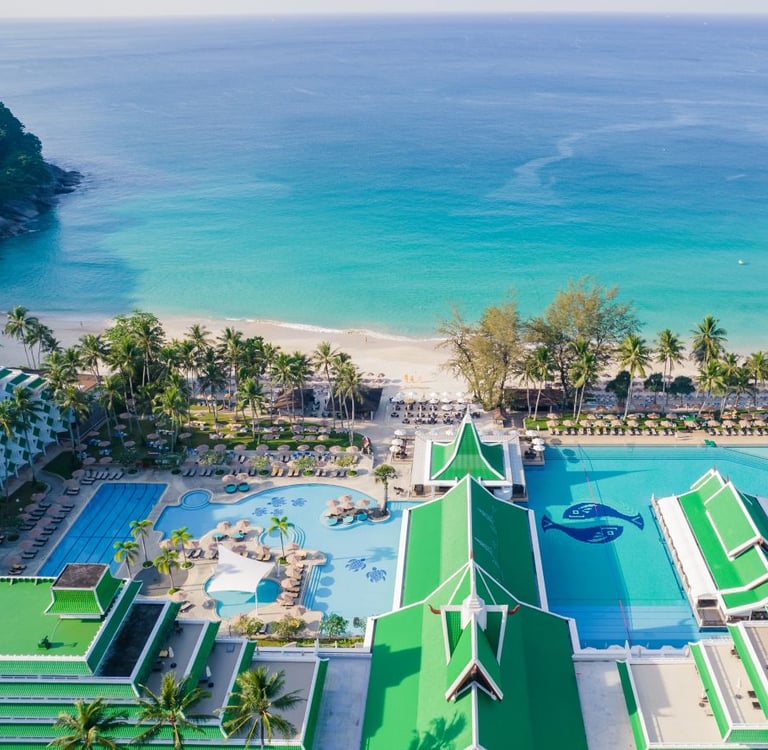
Le Méridien Phuket Mai Khao Beach Resort has unveiled its "Unlocked 25-Hour Stay" package for 2026. The offer is appealingly straightforward: check in anytime, enjoy a full 25 hours from that moment, breakfast whenever you want, unlimited bicycles and popsicles, 25% off spa and dining, and a spinning wheel surprise upon arrival.
Freedom. Fun. Flexibility. All Unlocked.
It's a well-crafted promotion, designed to address genuine guest friction points. Flight lands at 8 AM? Check in immediately. Want to sleep in and have brunch at noon? Breakfast anytime. Feel like exploring the resort at your own pace? Unlimited bicycles. These are tangible benefits that create positive associations and differentiate the property in a crowded search results page.
But as we read through the inclusions, the popsicles, the spinning wheel, the percentage discounts, a different question emerges for those of us who think about luxury hospitality at scale: Is this optimizing the stay, or is it engineering a relationship?
The Vietnamese Precedent: Wink Hotels and the 24-Hour Model
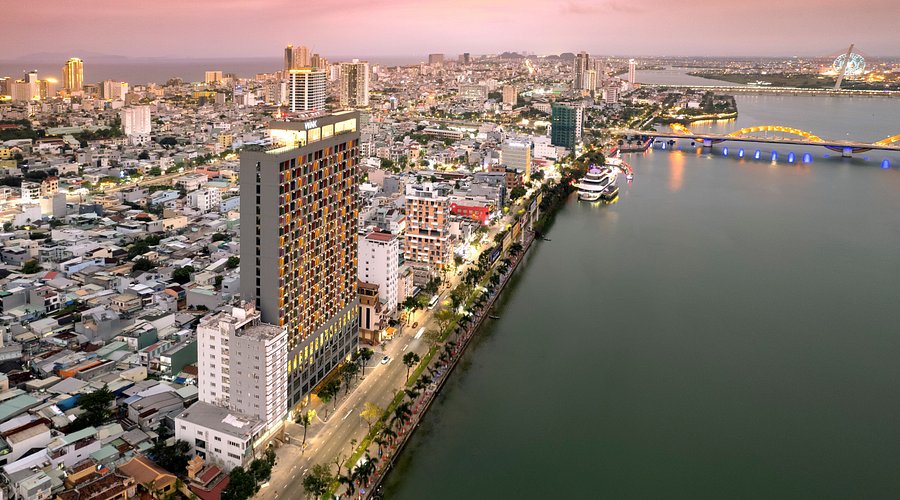
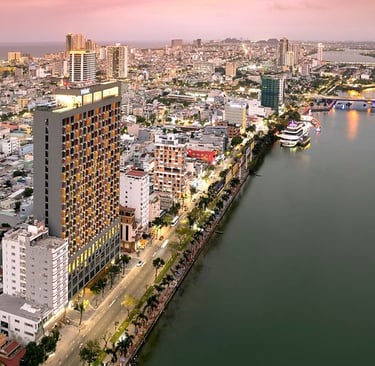
Before we analyze the 25-hour proposition, we must acknowledge that Vietnam has already been at the forefront of this thinking. Wink Hotels, the homegrown lifestyle chain launched in 2021, has built its entire brand identity around a "STAY24" concept: guests check out exactly 24 hours after they check in, regardless of the time .
For World of Hyatt Globalist members, Wink even adds four extra hours on top of that. Guest reviews consistently highlight this flexibility as a decisive factor in choosing Wink over competitors. As one traveler noted on a Japanese travel blog: "I checked in around 4 PM and was able to check out the next evening - it worked perfectly with my schedule" .
The model has proven so successful that Hyatt quietly partnered with Wink earlier this year, bringing seven properties into its "Unscripted by Hyatt" soft brand and more than doubling Hyatt's Vietnam footprint overnight . At $50-60 per night with strong public spaces, coworking areas, and breakfast that overdelivers, Wink demonstrates that flexibility need not be confined to the luxury segment.
The 25-Hour Difference: What One Extra Hour Signals
So what makes Le Méridien's 25-hour offer distinct from Wink's 24-hour model? On the surface, it's one additional hour. But that hour represents a subtle but significant strategic shift.
The 24-hour model is fundamentally guest-centric: it aligns the hotel's clock with the guest's journey. Your stay is your stay, a complete, uninterrupted block of time that belongs to you.
The 25-hour model adds something else: abundance. It says, "We're not just matching your schedule; we're giving you more than you expected." That extra hour is a gift, not just a convenience. It transforms a functional benefit into an emotional one.
The Luxury Traveler's Unspoken Hierarchy
This distinction matters because the luxury guest does not optimize for hours. They optimize for effortlessness, recognition, and access. Their friction points are not about finding an extra hour at the pool. They are about:
Tier | What Matters | Examples
Baseline | Functional efficiency | Check-in works, room is ready, breakfast is available
Elevated | Personalization | Preferences are known, staff use your name
Transformative | Access & narrative | Experiences you cannot arrange yourself, stories you will tell
Wink's 24-hour model operates brilliantly at the baseline tier. It removes friction. It delivers value that guests actively seek out and recommend. One reviewer noted that the policy was "particularly advantageous for those arriving late at night or departing on evening flights" . Another called it "a unique and highly appreciated feature" that made them choose Wink over other options .
Le Méridien's 25-hour offer, with its added layers of "Breakfast Anytime," unlimited popsicles, and a spinning wheel surprise, attempts to reach into the elevated tier. It adds delight to flexibility. But does it create transformation?
Alternative Innovations for 2026
If we accept that luxury hospitality's next frontier is not efficiency but emotional resonance, what might replace or complement offers like the 25-hour stay? Here are four innovations hospitality groups could deploy this year to reach deeper into the luxury demographic.
Innovation 1: The Invisible Concierge Layer
Instead of asking guests to opt into benefits, embed them into the experience so seamlessly they are felt but never requested.
How it works: A guest's flight is delayed by three hours. The system knows this before the guest does. It automatically adjusts their check-in time, refreshes their minibar preferences based on past stays, notifies the spa that their 3 PM slot remains available, and sends a single SMS: "Looking forward to welcoming you whenever you arrive. Your suite will be ready, and your preferred pillows are waiting."
Why it matters: Luxury is not about asking; it's about knowing. The guest never had to explain, negotiate, or hope. The system simply handled it.
Innovation 2: Curated Journey Mapping
For the ultra-high-net-worth traveler, a hotel stay is rarely an isolated event. It is one node in a complex journey that may involve multiple properties, modes of transport, and experiences.
How it works: A family spending two weeks in Southeast Asia moves from a resort in Phuket to a private villa in Chiang Mai to a suite in Bangkok. Their luggage is transferred seamlessly between properties. A dining reservation at a Michelin-starred restaurant in Bangkok is confirmed, with dietary preferences logged during the first stay. A driver meets them at each transition point, briefed on their itinerary without needing to ask.
Why it matters: Hospitality groups that can orchestrate the entire journey, not just the hotel portion, become indispensable. They transform from vendors into partners in the travel experience.
Innovation 3: Legacy Building Touchpoints
Luxury travelers in 2026 are increasingly focused on legacy, on experiences that can be shared, documented, and remembered across generations.
How it works: During a family celebration at the resort, a local artist is commissioned to create a piece inspired by the family's stay. A videographer captures candid moments throughout the week, edited into a short film delivered after checkout. A bottle of wine from the resort's cellar, labeled with the family name and the date of their visit, is shipped to their home months later as a surprise.
Why it matters: These are not amenities; they are memories made tangible. They ensure the resort remains present in the guest's life long after checkout.
Innovation 4: The Open House Network
The most loyal luxury guests do not want to feel like customers; they want to feel like part of an extended family.
How it works: A guest who has stayed at three properties within the portfolio receives an invitation: "The resort will be quiet next Tuesday. We're hosting a small dinner with our chef and would love for you to join, if you're in town." Or: "Our new suite will be unveiled next month. Would you like a private preview before it opens to the public?"
Why it matters: Access, not upgrades, is the ultimate currency. Invitations that cannot be bought, experiences that are not on any itinerary, these create the kind of emotional bond that no points program can replicate.
The Strategic Question
Le Méridien's 25-hour stay is a perfectly reasonable promotion. It may drive incremental occupancy, generate goodwill, and differentiate the property in search results. For many hotels, it is a smart tactical move.
But for hospitality groups serious about capturing and retaining luxury demographics, the strategic question is different: Are we optimizing the stay, or are we engineering a relationship?
Wink Hotels has proven that flexibility can be a core brand proposition, not just a seasonal offer. At $50-60 per night, they deliver 24-hour stays that guests actively seek out and recommend. The question for luxury operators is: if a midscale brand can build its identity around this level of guest-centric thinking, what should a true luxury property be doing?
The most valuable guests do not remember the extra hour. They remember the moment they felt truly seen—when the hotel anticipated something they hadn't asked for, when an experience transcended their expectations, when a stay became a story.
That is the frontier where luxury hospitality will be won in 2026 and beyond.
Trilien Group
Global Insight. Linked By Design.
Insight (BDP+Partners) • Access (Asia Apex Alliance) • Value (Trilien Avant)
We serve luxury brands, F&B innovators, and investment partners who believe true value emerges not from silos - but from the intelligent links between them.